Coast Guard Station Roofing near Quincy, MA
A coastal storm reaching a shore-building roof can test a flashing while equipment and personnel remain needed for operations below. For Coast Guard property served from Quincy, MA, we assess the actual building connection and operating dependency before opening construction. The roof needs its own examination of material, support and water routes. Shore stations, depot facilities and aviation property present different uses. The scope should identify the one involved rather than treat every Coast Guard request as the same roofing task.
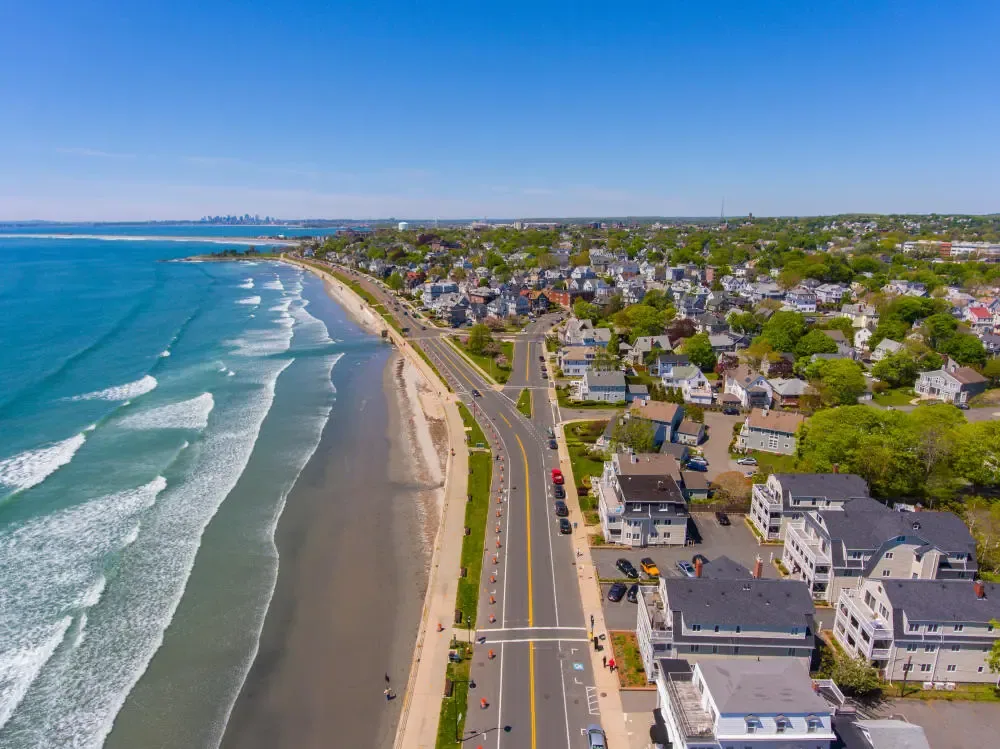
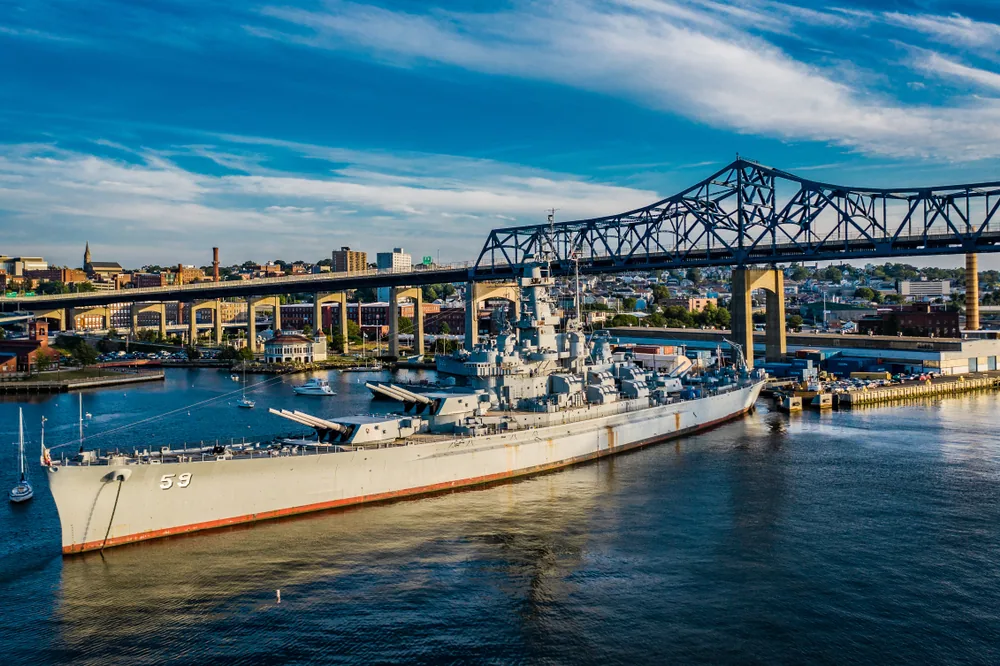
Base Boston is an active waterfront installation in the North End with cutter homeports and a small-boat station. Its shore buildings support activity distinct from the boats themselves. We examine the requested roof area and the rooms or equipment needing protection. Quincy includes nor'easters and flooding among its preparedness concerns, making sound transitions and usable drainage practical priorities alongside mission coordination.
Separate the operational shore uses
Station Point Allerton in Hull supports search-and-rescue and security with small boats. Its historic lifesaving-station building now serves as a museum, separate from the active station. The roof plan should match the current property and occupied use involved in the request. We assess access, room protection and the construction actually present before choosing the work boundary. An earlier building role should not be transferred to a different operational structure.
Station (Small) Scituate operates seasonally with Point Allerton under Sector Boston. Seasonal use can affect the available operating interval, but weather and roof condition still need examination before removal. We identify the connections requiring repair and the protection needed below. Work in Scituate follows the individual asset's assembly and current activity, with temporary measures distinguished from permanent repairs to the water boundary.
Inspect exposed joints at their receiving material
A damaged metal edge or failed seal at a roof transition needs examination of the supporting connection. We assess corrosion, securement and material compatibility where they affect the actual assembly. Exposure should be established from observed conditions rather than assumed uniformly across every regional property. Surface treatment may suit a bounded coating defect, while reduced metal integrity or unstable support can require replacement. The scope should distinguish those findings.
Our repairs to roof edges and gutters also examine runoff and joint movement. A loose component can continue stressing a seal after another application is added. The correction may need reconstruction of the receiving detail. Different metal contacts or unsuitable fasteners can complicate the connection, so repair materials should fit the installed assembly. The completed transition needs a clear water route and maintainable termination.
Assess maintenance moisture separately
The South Weymouth Coast Guard buoy depot stores, cleans, repairs and paints buoys in a facility separate from the former naval air station. Its building includes warehouse, administration and maintenance uses. A roof request over maintenance activity can present different interior moisture and equipment questions from a station office. We examine the actual process, layer arrangement and exterior entry routes before recommending correction. Both condensation and rain leakage may need assessment.
For depot and military warehouse roofing, stored equipment and work routes also affect interior protection. The South Weymouth facility's operational context remains distinct from naval property roofing. A shared regional military association does not establish a common assembly. We assess the requested building and the layers beneath its damaged connection before selecting retention or reconstruction.
Rebuild support before completing the flashing
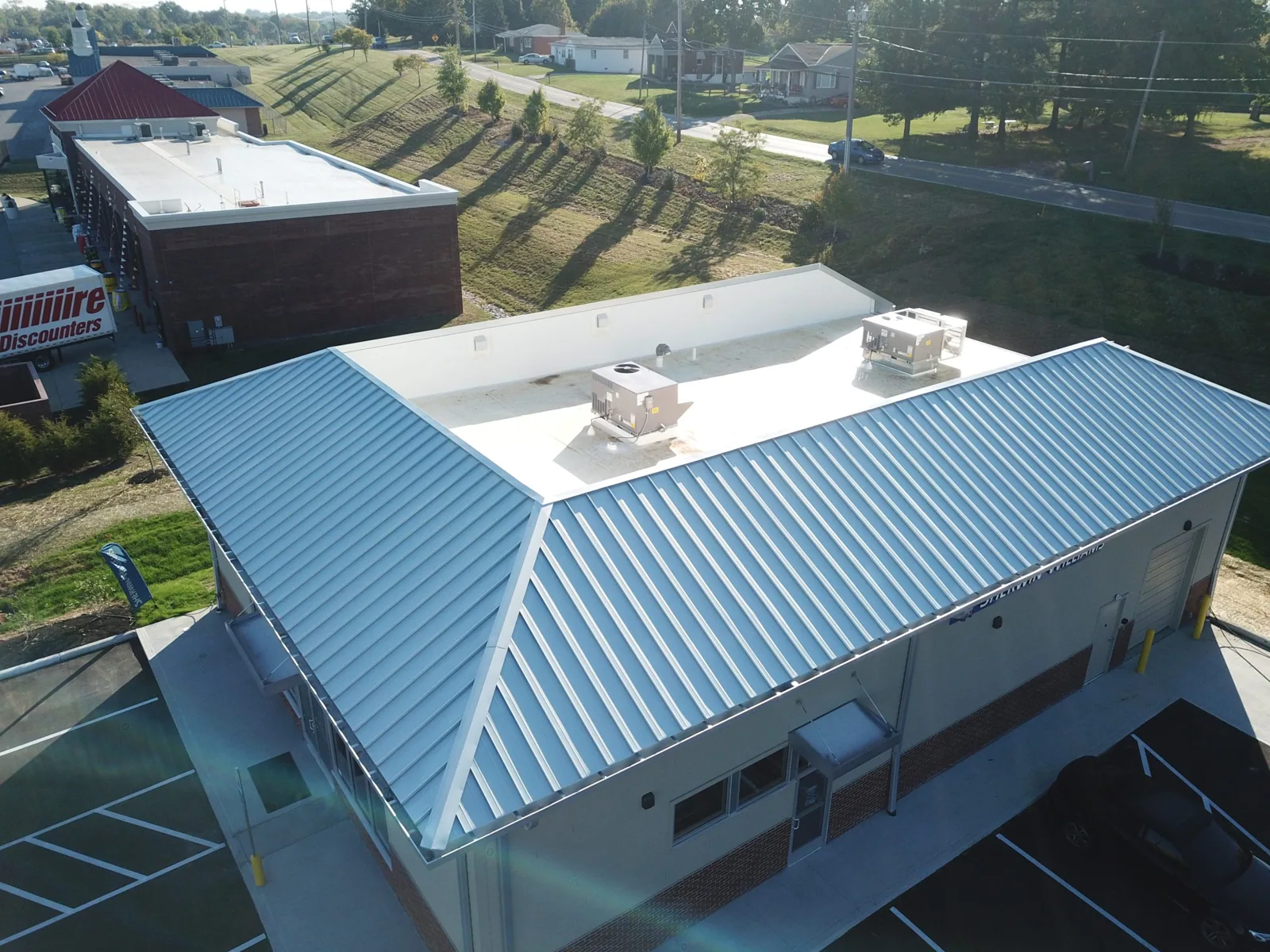
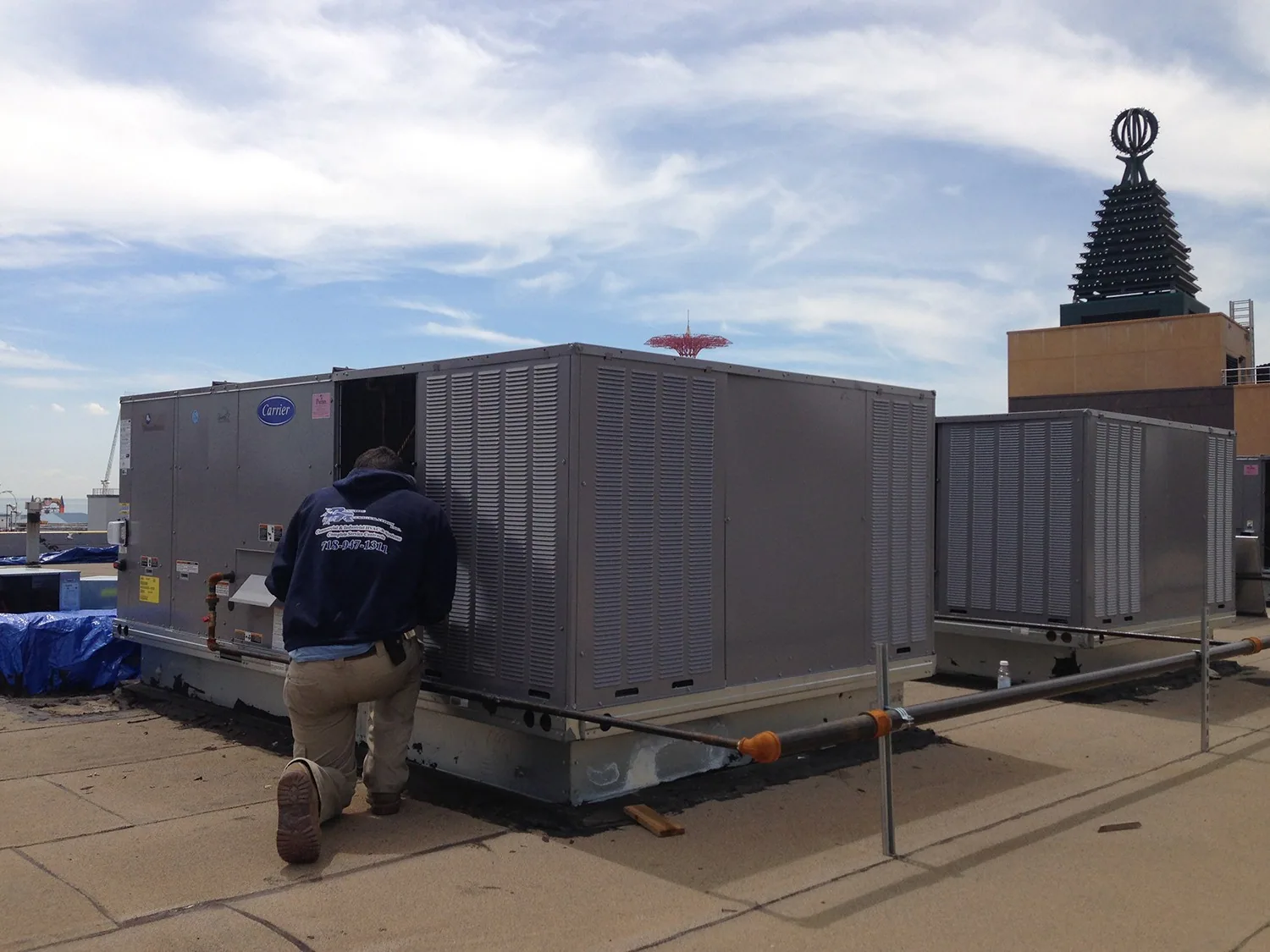
A rooftop component that shifts during service can damage the surrounding water boundary repeatedly. We examine the support and flashing as related parts of the repair. An equipment correction may need a coordinated operating interval before roofing is finished. Suitable material and preparation are necessary, but a compatible patch cannot stabilize a failing support. The proposal should make that task distinction clear.
Our curb and support corrections assess geometry, clearance and any change in roof height. New insulation can reduce available flashing height or alter the approach to an equipment zone. Air-intake arrangements may also affect application conditions near occupied rooms. We establish those interfaces with the property representatives before removal, so the work can reach a suitable secured stage without leaving a necessary component unmanaged.
Examine the outlet beyond the strainer
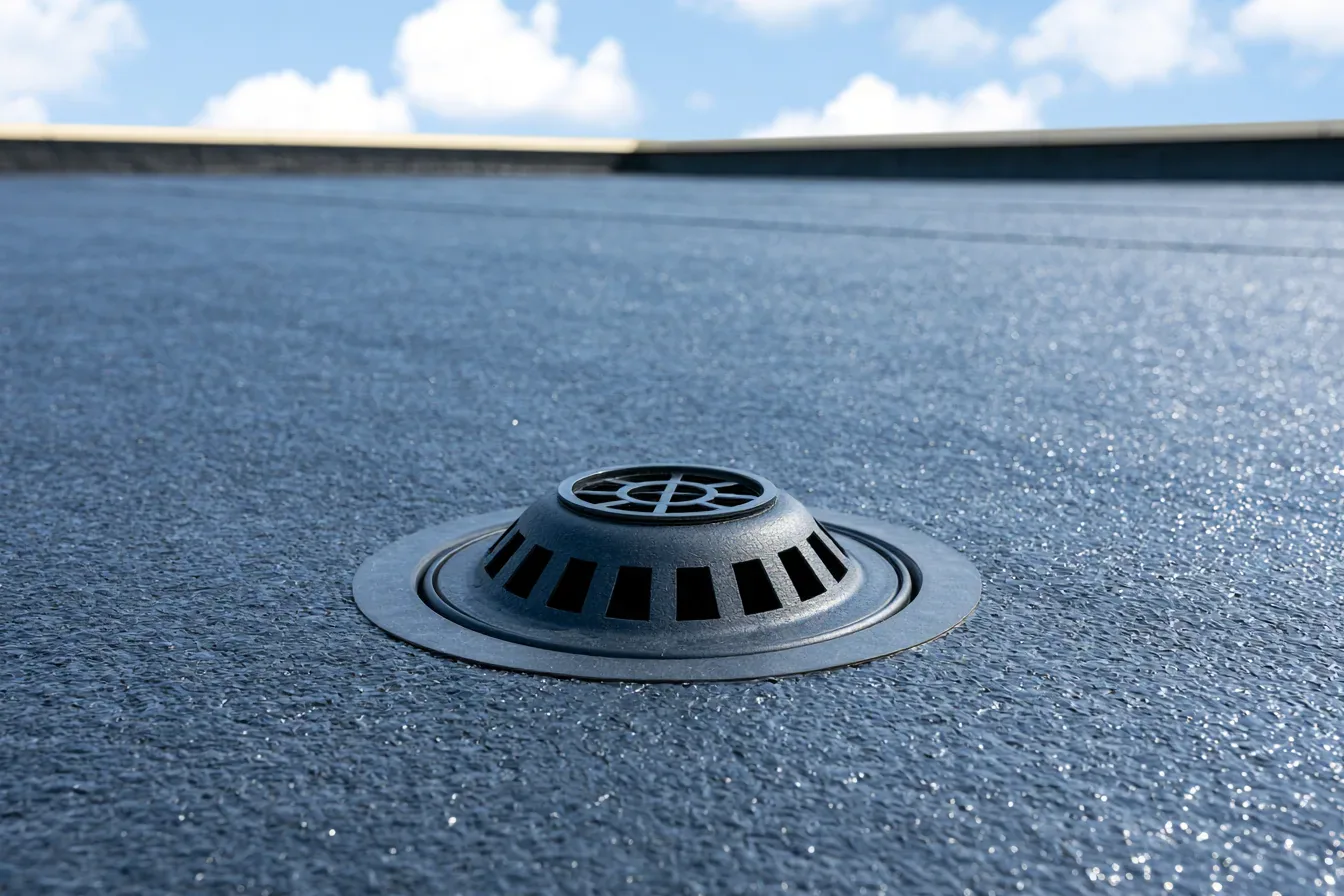
A roof can retain water because of a blocked outlet, an unsuitable field elevation or both. We inspect the drain connection and surrounding plane to identify the actual mechanism. Cleaning may restore one flow route, while a low pocket can need assembly work during renewal. A damaged low-point flashing requires repair in its own right. The owner should see those differences rather than receive a single maintenance task for unlike findings.
Our drain and overflow repairs consider the finished construction and accessible maintenance route. Increased insulation can change outlet elevations, making a planned transition important before field installation. Supports and walk protection should preserve water movement. Thawing accumulation can extend wetting at vulnerable details, so accessible low-point connections remain part of a useful roof arrangement after the project closes.
Match the stage to the operating interval
Access procedures, escorts or other property controls can affect the time available for personnel and materials to reach the work zone. We account for those intervals before defining removal. The daily boundary needs enough time for field and detailed closure in suitable conditions. A penetration cluster can take longer to secure than an equal area of unobstructed roof. The sequence should reflect that difference rather than assume installation area alone measures completion.
Where federal project requirements apply, the selected assembly and details need coordination with relevant Unified Facilities Criteria and other conditions governing the work. We examine insulation, attachment and support alongside the proposed membrane. Wet or deteriorated layers may require removal, while dry stable construction can be considered for appropriate retention. The proposal should identify the components remaining in service and the defects each option corrects.
We compare suitable systems, including rubber membrane assemblies, against the roof's geometry, traffic and material exposure. After completion, equipment service routes need appropriate protection without obstructing drainage or concealing vulnerable details. Compatible later repair methods help preserve the installed connection. The final roof should remain accessible and maintainable above the shore activity it protects, with routine clearing kept distinct from damaged construction needing intervention.
Commercial Roofing Questions
Does seasonal station use mean repairs can wait until the operating period ends?
Active entry and roof condition need assessment before timing is chosen. We identify the defect, concealed damage and interior exposure, then recommend suitable intervention. A later renewal interval can be considered separately where the retained assembly remains serviceable. Seasonal scheduling is useful operating information, but it should not leave a current opening unmanaged above equipment or occupied space.
How should a depot roof be assessed differently from a shore-station office?
Compare the actual process, interior moisture conditions and contents needing protection. A maintenance area can introduce different equipment or condensation questions from an office. We examine the roof layer arrangement and exterior entry routes before recommending work. The scope should identify the mechanism addressed and the components retained rather than assign the same surface repair to unlike uses.
Can corrosion be corrected with coating alone?
The remaining metal integrity and receiving condition need examination. A suitable protective treatment may address a localized surface defect after preparation. Significant deterioration, unstable securement or damaged support can require replacement or reconstruction. We explain those findings before comparing treatment with removal, including the joints and transitions that must form a dependable water boundary.
What should be resolved before removing a roof area serving active operations?
Identify access procedures, equipment dependencies, interior protection and the closure tasks required. We define the boundary that can be secured in suitable conditions within the available interval. Some details may need coordinated interruption while nearby field work proceeds separately. The plan should make those stages explicit before construction is opened, leaving a completed water connection at the end of each work period.