Commercial Roofing in Scituate, MA
Scituate concentrates commercial and mixed-use districts in Harbor, Greenbush, Driftway, North Scituate and Humarock. The Greenbush area connects with Routes 3A and 123 and commuter rail, while the town identifies medical-service and commercial property among its uses. Those settings create different access and scheduling questions, but they do not reveal a building's roof condition. We inspect each assembly and water path, then distinguish a confirmed repair from a test or renewal decision tied to that property.
Match the Scope to the District
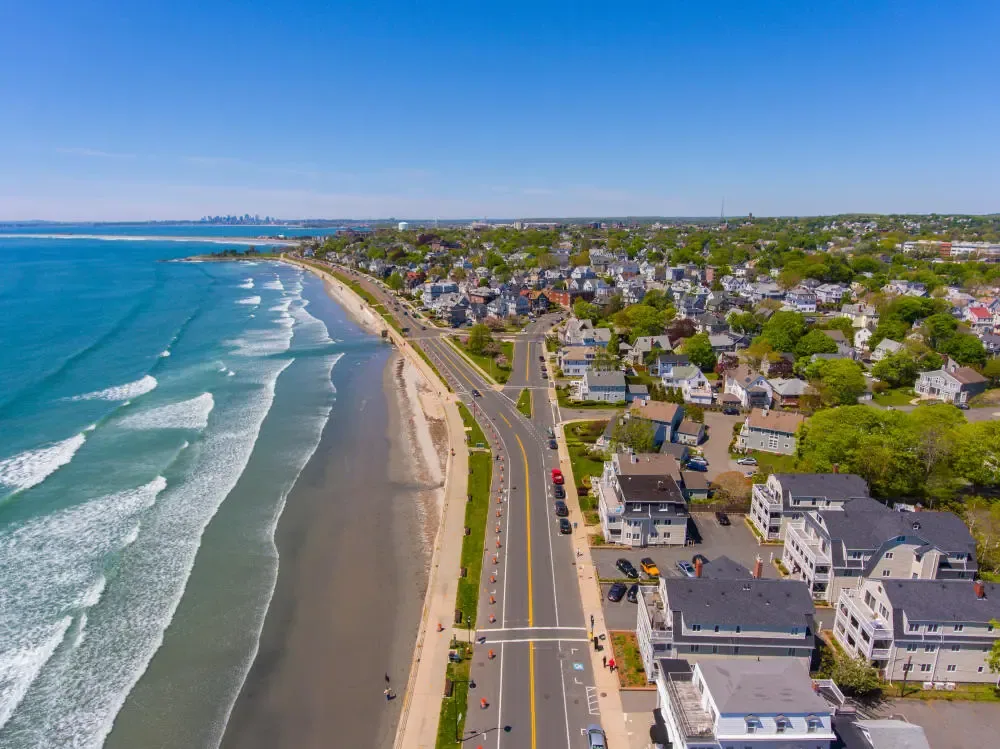
Harbor, Greenbush, Driftway, North Scituate and Humarock are distinct commercial and mixed-use areas. A work plan starts with the actual property entrance, roof access and operating hours rather than a district-wide assumption. We document the installed assembly and the locations of drains, wall transitions, curbs and previous repairs. That record lets an owner set a scope by roof condition while planning deliveries around the building's use. Where discharge fails, a drain repair can be specified apart from the membrane.
Greenbush-Driftway includes medical-service buildings, commercial property, condominiums, townhouses and marina facilities alongside a historic hamlet. The variety matters for access: a medical-service property may need a clear public route, while a marina property may need coordination around service traffic. We confirm each site's requirements with its representative. Nothing about a district description establishes the membrane type or age of a specific roof.
Follow the Drainage Path
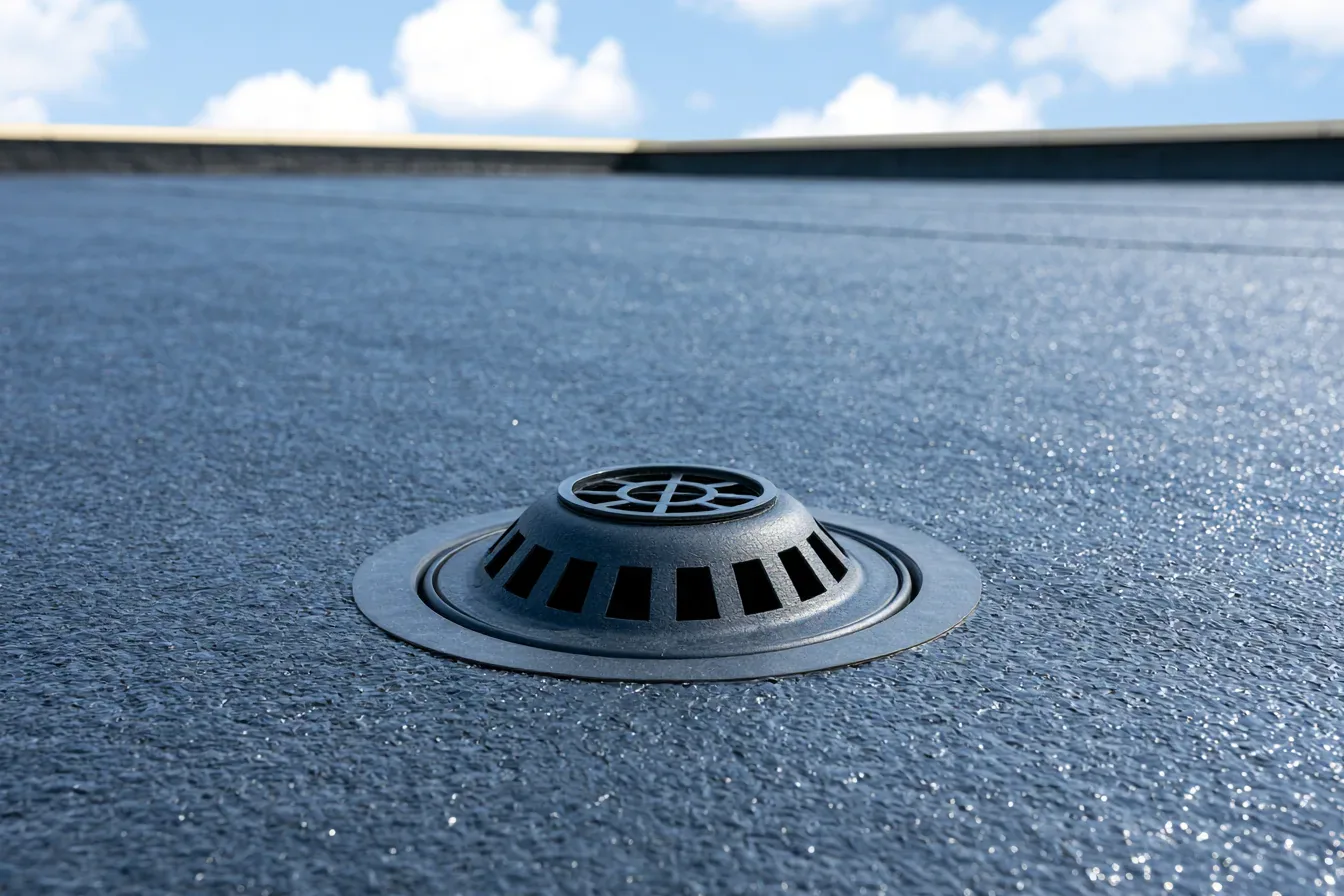
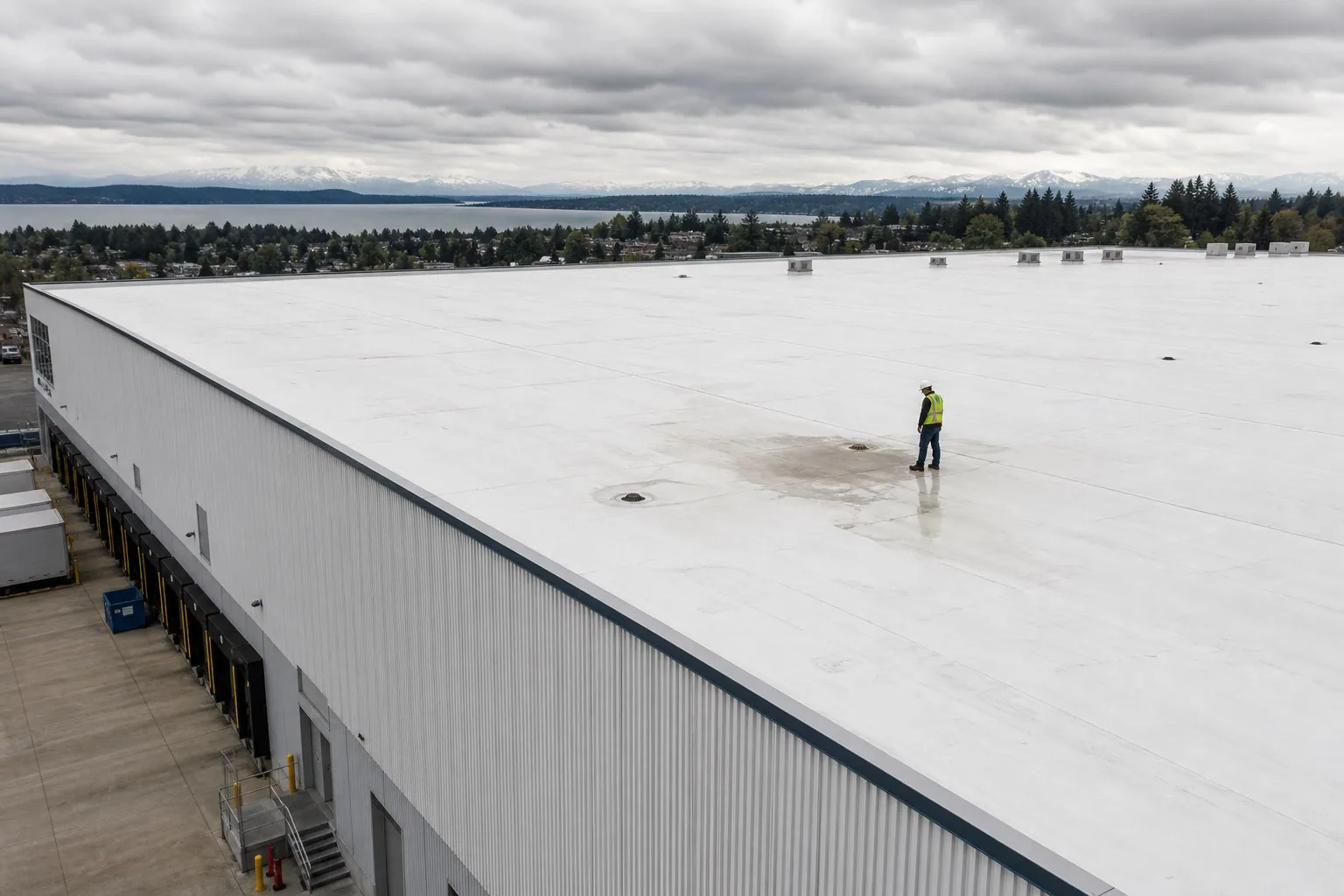
Drainage and edge conditions deserve inspection ahead of a storm and after severe weather. We check outlet bowls, strainers, overflows, parapets and edge metal, then look for water held around a seam. If drainage is restricted, a coating will not restore the discharge path. The report identifies whether the issue is debris, a failed drain detail or a broader slope question and which roof zone needs correction. We label photographs by roof zone so a later review can compare the same outlet and adjoining surface. A confirmed entry path may call for leak repair with compatible materials.
The reported interior location helps begin the inspection. Water can travel along a deck or framing before it appears, so we also inspect wall flashings, curb corners, penetrations and membrane laps above the space. If an infrared pattern or other observation suggests moisture beyond the visible opening, we explain whether a survey or selective opening could define its extent. The confirmed leak correction stays separate from that test until findings connect them.
Coordinate Public and Rail Access
Greenbush station provides commuter rail, and Routes 3A and 123 connect the district to the road network. Those links may influence arrival times or material delivery, but the owner confirms parking, loading and roof access at each property. We identify the route that remains available to customers, patients, tenants or marina operations, then place staging and barriers away from it. The work plan lists any agreed delivery window. When the moisture boundary is unclear, infrared moisture mapping may help determine the next test.
The district's mix of medical-service, commercial and residential uses can place different schedules within a short distance. We do not use one tenant's schedule for another building. For occupied work, the property contact identifies interior areas requiring protection and any activity that cannot pause. We sequence the roof so each opened section is closed before the crew shifts to another area or weather conditions change.
Compare a Patch With a Larger Scope
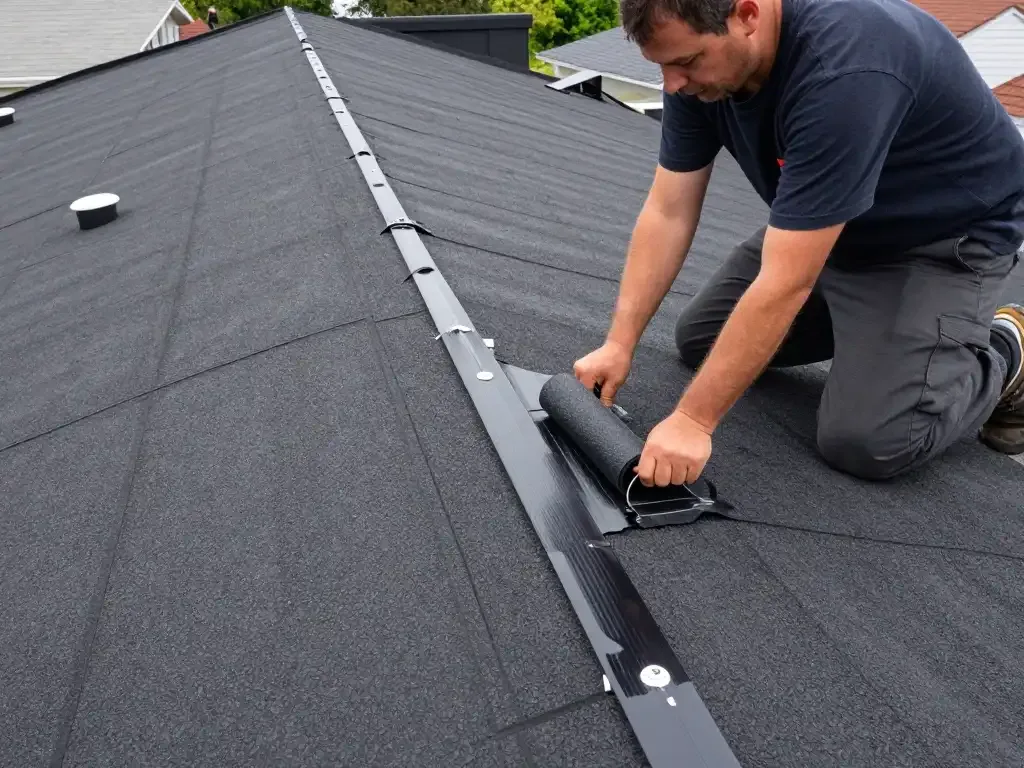
A failed flashing or puncture can be repaired locally when adjacent membrane and substrate remain stable. Recurring seam openings, wet insulation or multiple leak paths can change the recommendation. We label each condition and explain what evidence supports its boundary. If moisture extent is not established, a test can be listed separately so the owner can decide whether it is needed before approving a larger removal. Active tenants can be considered through occupied-building reroofing and its work sequence.
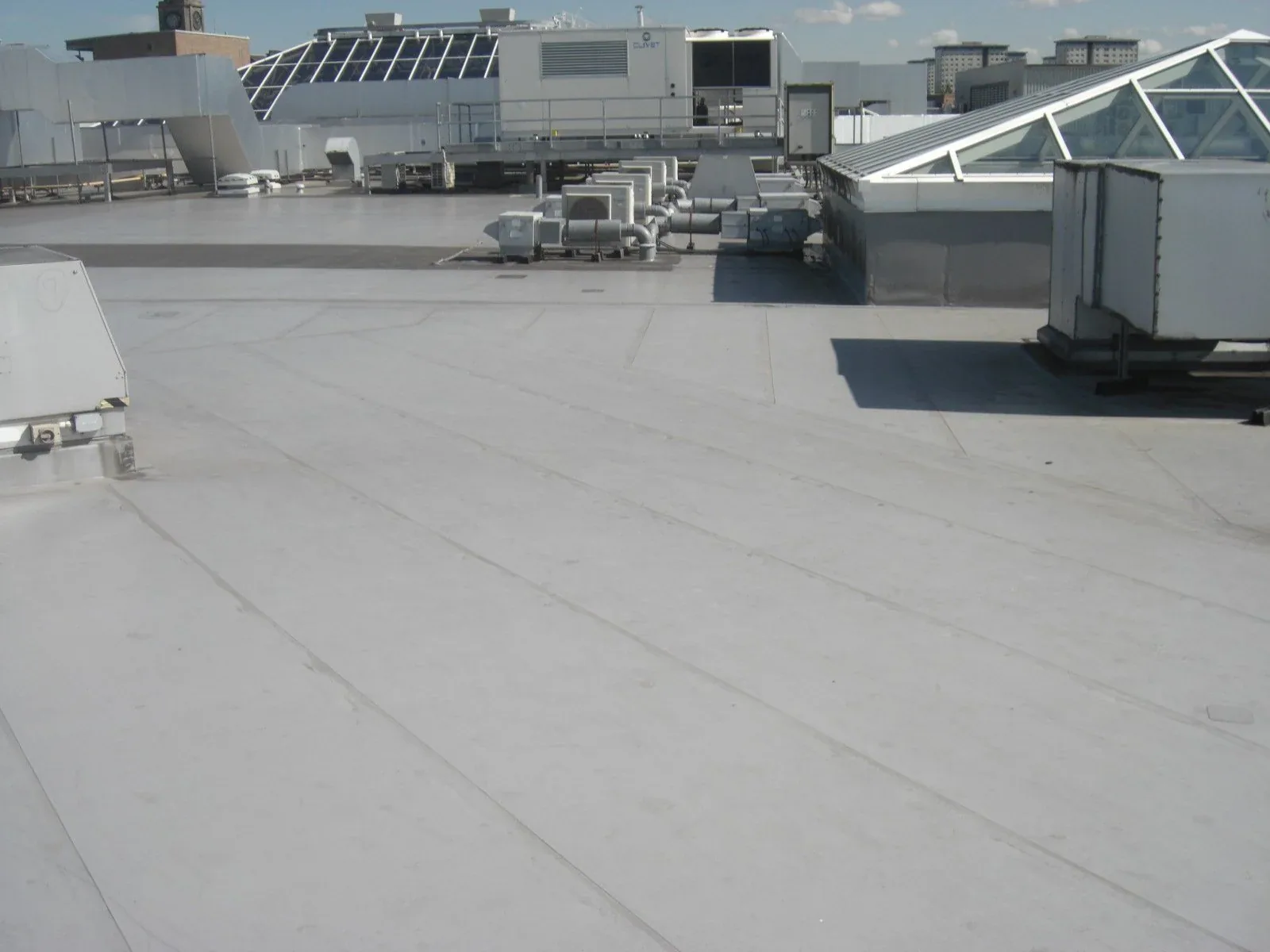
Recover feasibility depends on the number of existing layers, moisture, deck capacity, drainage and final height. Replacement gives access to more of the assembly but adds removal and temporary protection. A coating may suit a compatible surface after preparation; it cannot resolve a blocked outlet or concealed moisture. We compare those paths against the actual roof and its use rather than choose by the district's coastal setting alone.
Keep a Dated Condition Record
A report is useful when another manager can find the same roof zone and understand the recommended action. We label photos, note owner-supplied leak dates and separate open water control from investigation and future renewal. The record shows what was observed and what remains uncertain, making a later approval easier to evaluate against the existing condition. The owner can compare a recover evaluation with broader removal after layer review.
An owner can schedule Greenbush-Driftway, Harbor or North Scituate visits together while preserving separate service priorities. At a follow-up, we compare the same drain or edge detail with its prior photograph and note any change. If a repair remains sound, the record says so. If water returns, the team can see whether it is the same point or a new path before broadening the scope. Roof capital planning can sequence findings by service priority. The coastal portfolio can include Greenbush-Driftway and Hingham while preserving individual roof records.
A property near the water may have roof equipment or service areas with operating constraints that differ from a retail storefront. We confirm those details with the owner and mark how the crew reaches the work zone without crossing an active route. Edge terminations, penetrations and drains are inspected as part of the roof assembly. The recommendation links each detail to the condition found; the district name does not become a substitute for examining wind, rain or salt exposure at the property.
After severe weather, we document visible roof and interior conditions, the inspection date and any access limits. We identify loose or open details, check drainage and compare findings with an interior report where one exists. If an area cannot be reached safely, we mark the inspection incomplete and set a return visit before estimating permanent repairs. The building manager receives observations, the next step and any protection needed while access remains limited. Photos from the same roof zone can distinguish change from older wear during a later review.
Commercial Roofing Questions
Does commuter rail determine material delivery?
The station and road connections help plan regional arrival, while each property contact approves its delivery route, staging point and roof access. We confirm those details and keep them separate from roof findings. Public routes and operating schedules are protected according to the building's use.
How should medical or marina activity be considered?
The property representative identifies public access, service traffic, operating hours and any area that cannot be blocked. We place barriers and stage material to fit those requirements. The roof condition and weather window still determine how much work can be opened and secured each day.
Does a coastal district mean a roof had storm damage?
No. A district's setting does not establish damage at an individual building. We inspect its membrane, edge metal, flashings and drainage and record observed conditions. Preparedness context can inform a readiness review, but a claim about damage requires evidence at the property.
When should moisture be tested beyond a leak?
Testing is useful when observations suggest moisture may extend beyond the visible entry and that boundary changes the scope. We explain whether mapping or a selective opening can answer the question. Confirmed leak repair remains separate from concealed-condition work until the test establishes a connection.