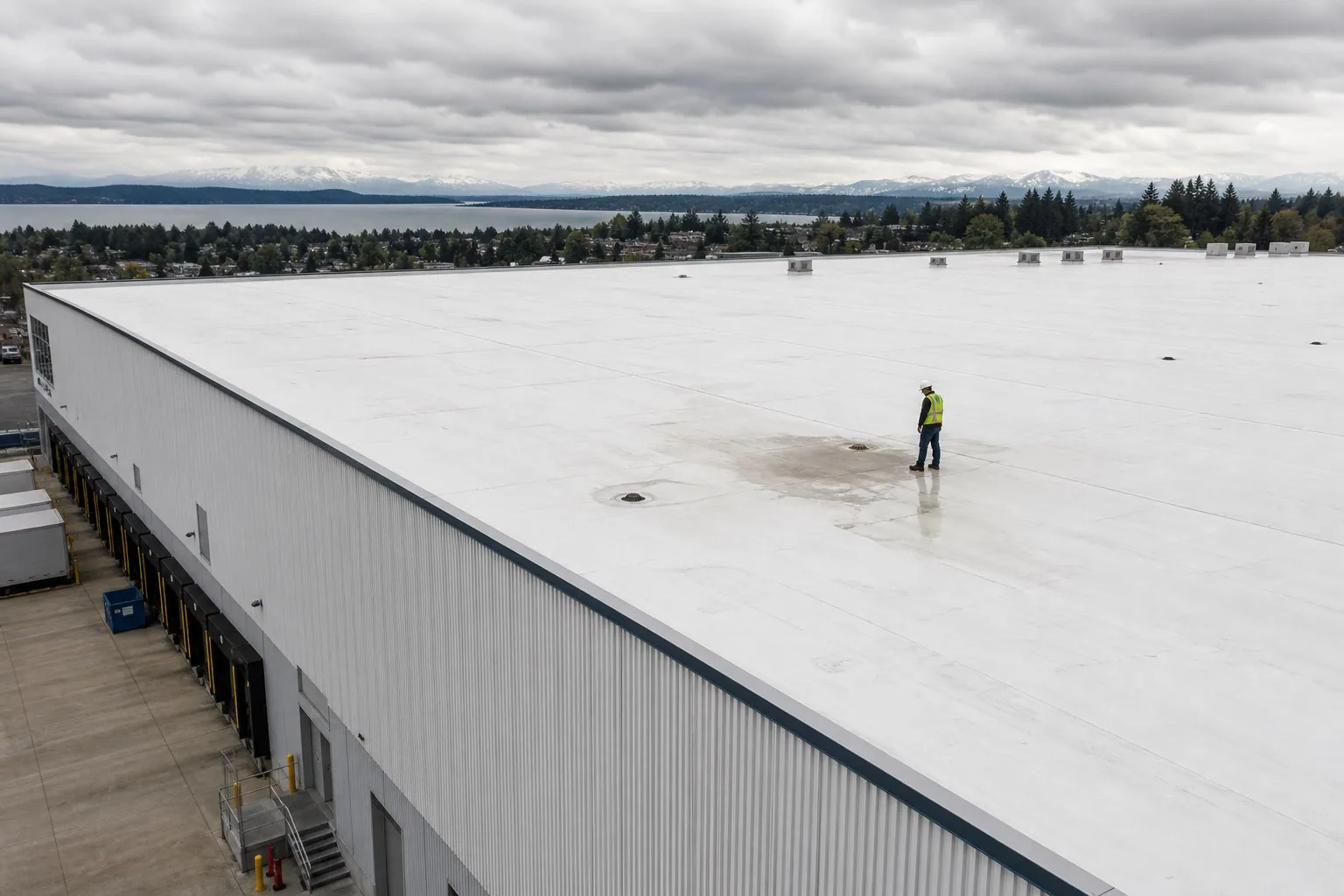
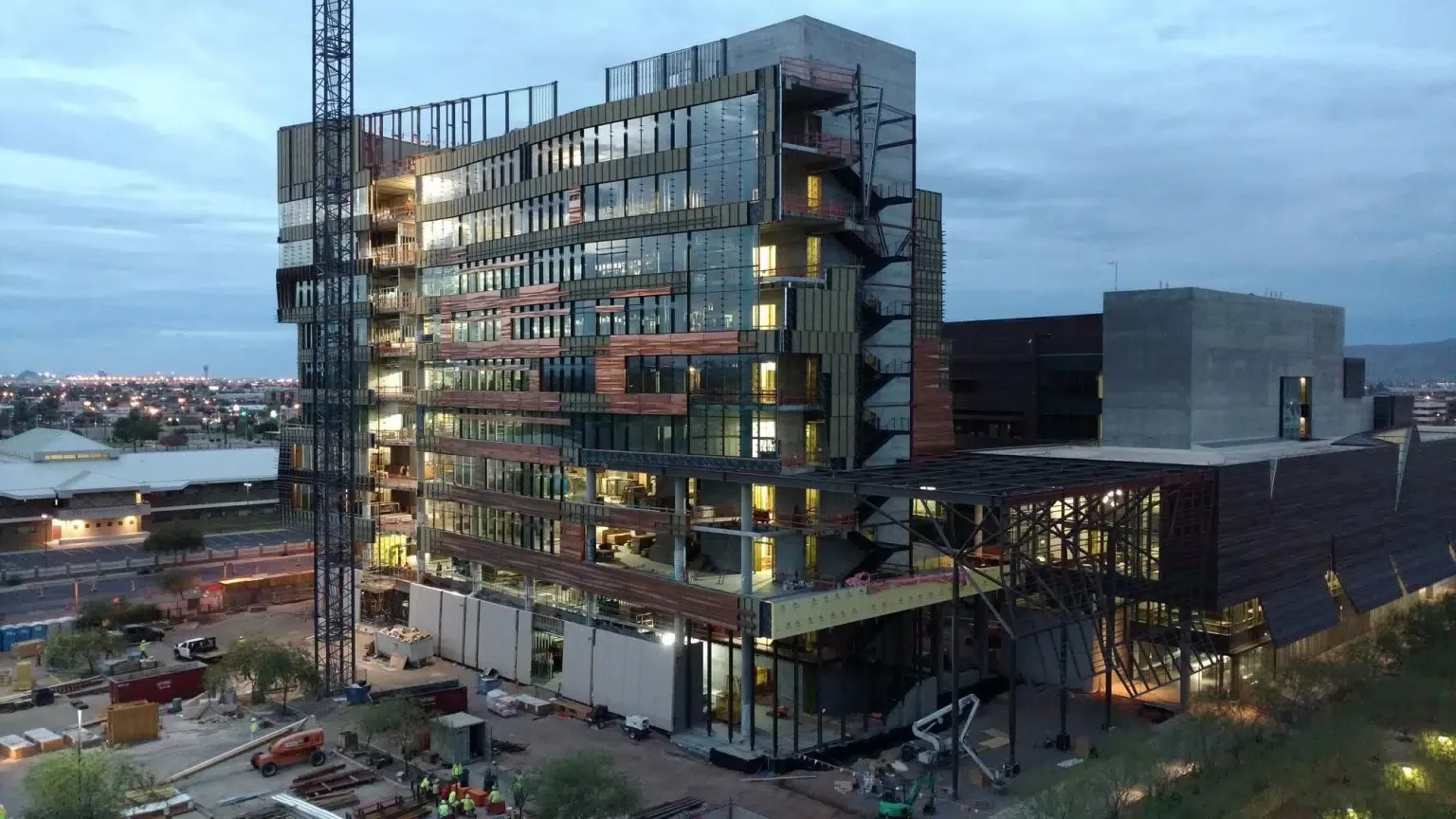
Commercial Roofing in Greenbush-Driftway, MA
Greenbush-Driftway combines a historic hamlet with newer commercial development along the North River. Medical-service buildings and commercial property sit near residential and marina uses, so a roof plan must begin with each property's access and operation. Greenbush station and the Route 3A and Route 123 connections can help organize arrival, but neither establishes roof condition. We inspect the membrane, drainage and transitions at the building and connect findings to a clear service priority.
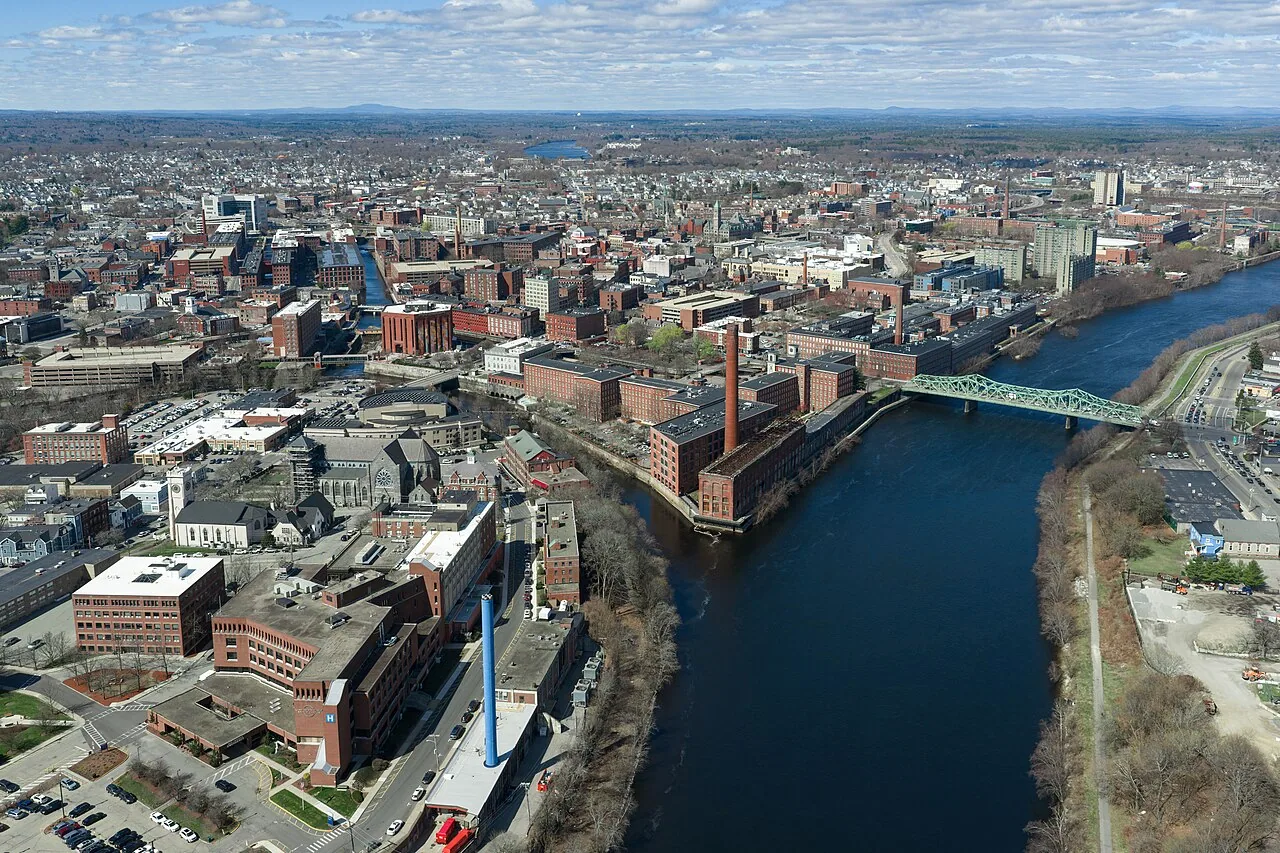
Work Across a Mixed-Use District
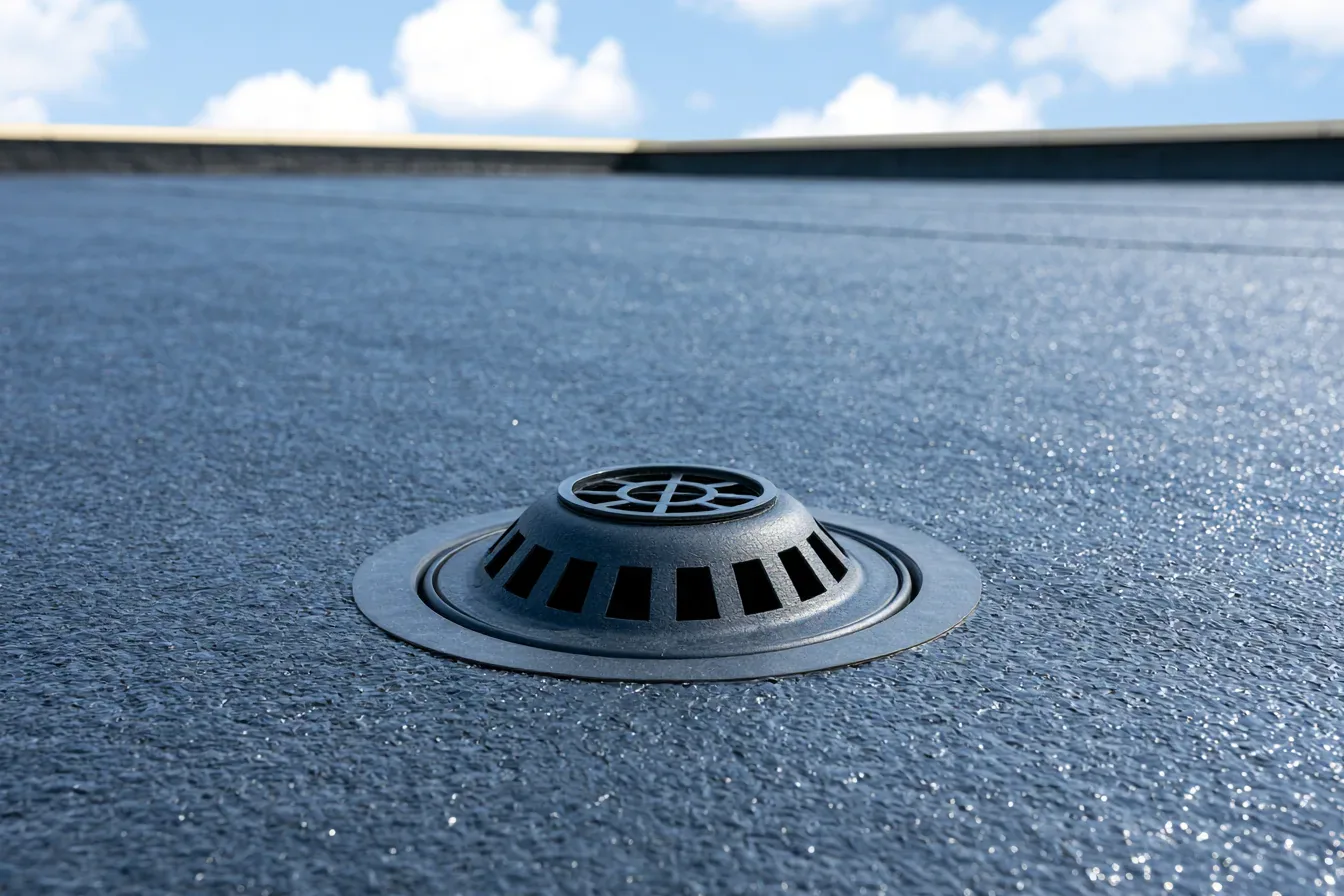
The district includes medical-service buildings, commercial property, condominiums, townhouses and marina facilities. That variety changes which entrances, service routes and hours may need to remain open. We confirm requirements with the property contact before material arrives. A medical tenant may need a clear public path, while a marina operation may have its own service traffic. The work boundary is set around the actual building and its approved access route. Where discharge is impaired, a drain-detail repair can be documented separately.
Greenbush-Driftway's historic hamlet and newer commercial area sit beside the North River. The district description helps identify context, but does not tell us the roof type or hidden water path. We inspect the assembly, photograph its edges and penetrations and trace drainage to the outlet. When the owner manages more than one building, each roof receives its own zone labels and findings rather than one district-wide conclusion.
Use the Transport Links for Timing
Greenbush station serves commuter rail, and Routes 3A and 123 provide road connections. Those links can affect the timing of arrivals and deliveries, but the property representative approves the work route. We confirm where material can be received, whether a shared driveway remains active and how crew access reaches the hatch or ladder. The access plan records each point so a later phase follows the same rules. A confirmed opening may call for a confirmed leak repair.
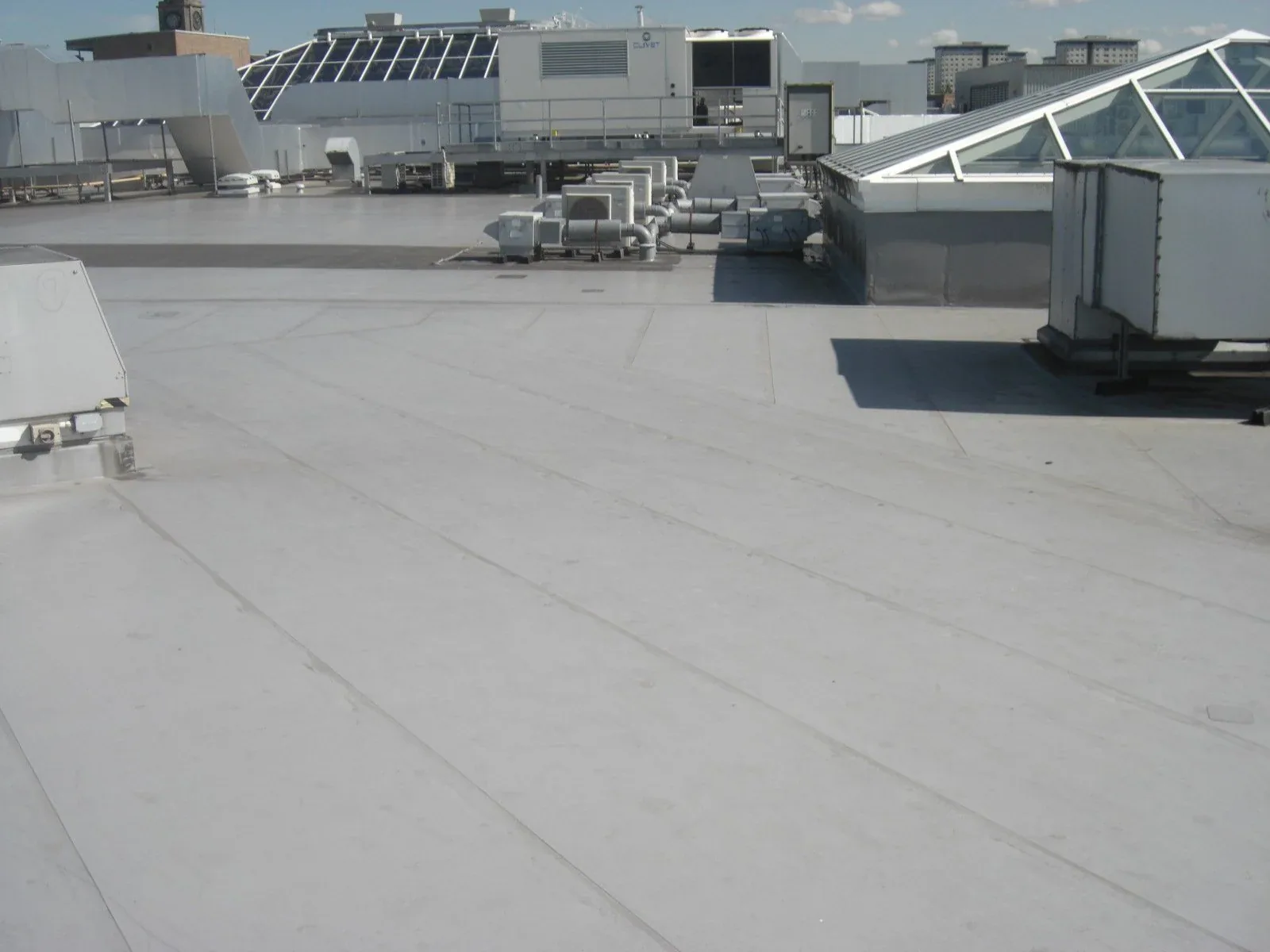
For roof work near an active medical or commercial property, the owner identifies entrances, tenant schedules and areas requiring interior protection. If removal is phased, we close every exposed section before leaving it and check that barriers still protect the agreed route. The daily plan also accounts for HVAC or electrical trades where their equipment intersects flashing. A practical sequence protects both roof and ground-level operations without assuming all tenants share one calendar.
Find the Cause Before Widening the Repair
Water can enter through a curb or wall transition and appear inside at a different location. We inspect membrane laps, penetration corners, parapet flashing, drains and the area around the report. A blocked outlet and a failed seam require separate corrections. We note what the inspection confirms and whether moisture may extend under the surface. If the boundary would change a larger decision, the report identifies mapping or a selective opening as the next test. If the suspected area is broader, infrared moisture mapping can help set a selective test.
The river setting alone does not establish wind or water damage at an individual roof. A post-weather review records observed conditions on the actual building. We check edge metal, exposed flashings and drainage, then compare them with any owner-reported interior water. If access is unsafe or an area cannot be seen, that limitation remains an open inspection item. A regional hazard should never become a claim of property damage without direct evidence.
Separate Repair From Renewing the Assembly
A single puncture or loose flashing can be corrected when surrounding materials remain stable. Repeated leaks, wet insulation or a deteriorated deck can require broader work. We show the owner where evidence ends and an investigation begins, keeping urgent water control separate from a test area. That makes it possible to approve the known correction while deciding whether concealed conditions justify further opening. Active tenants can be considered through phased occupied reroofing.
A recover depends on layer count, substrate, moisture, drainage and final roof height. Replacement gives access to more of the deck but increases removal and protection. Coating is considered only on a compatible surface after preparation. We compare labor access, operational effect and weather closure for each route, then state which observed condition controls. If another trade must move a unit or support, that coordination is made visible before the membrane is opened.
Maintain a Useful Roof Record
We label photographs by roof zone and identify the drain, edge, curb or seam that supports each recommendation. Owner-supplied leak dates stay attached to the area. Items are ranked by immediate service, testing or future renewal. A later manager can return to the same location and see whether the condition changed. If concealed moisture remains unknown, it stays unresolved until a survey or opening supplies evidence. The owner can weigh recover feasibility against removal after layers are checked.
Greenbush-Driftway can be reviewed with Harbor or Hingham for scheduling while preserving each building's service priority. A return inspection compares the same detail with its earlier photograph, then updates the remaining-service view only when the observation changes. The district's mix of uses makes an accurate record more useful: roof work can be timed around actual operations rather than a generalized neighborhood schedule. Roof capital planning can sequence items after immediate service needs are handled. A regional review may include Scituate and Hingham without combining their roof records.
A medical-service tenant and a marina business may have different access requirements within the same district. We confirm each building's own hours, service route and equipment dependencies instead of applying one operating plan to the area. For each roof, the report labels the outlet and edge details inspected, notes any leak history supplied by the owner and states what repair would change the water path. That record gives operations a useful handoff before the next shift or scheduled appointment.
A return visit after a period of rain or wind is a check of what is visible and accessible, not an automatic damage conclusion. We inspect exposed edges, penetrations and drainage, compare them with the earlier photographs and record any change that is actually present. If a roof cannot be accessed safely, the item remains open until a suitable visit. The owner can then prioritize the confirmed service need while avoiding a claim about moisture or damage that has not been tested.
Commercial Roofing Questions
Does Greenbush station change roof access?
It may affect arrival patterns, but the property contact approves the delivery point and roof-entry route. We confirm shared-drive, parking and access rules before material movement. The roof inspection follows the assembly and reported water path independently.
How should work be planned at a medical-service property?
The representative identifies public access, service schedules and interior areas needing protection. We place barriers and sequence roof removal around those requirements, coordinating equipment trades before flashing is changed. Each daily section is secured against weather before the crew moves on.
Does proximity to the North River prove storm damage?
No. The district's location does not show that a particular roof was damaged. We inspect edge metal, membrane, flashings and outlets at the property and record what is directly visible. Any inaccessible area remains an open inspection item until it can be checked safely.
When would an owner authorize a selective opening?
An opening is useful when concealed moisture could change the repair boundary or replacement decision. We state which condition is confirmed, what remains unknown and what the opening should establish. The test remains separate from immediate water control until it confirms a broader scope.