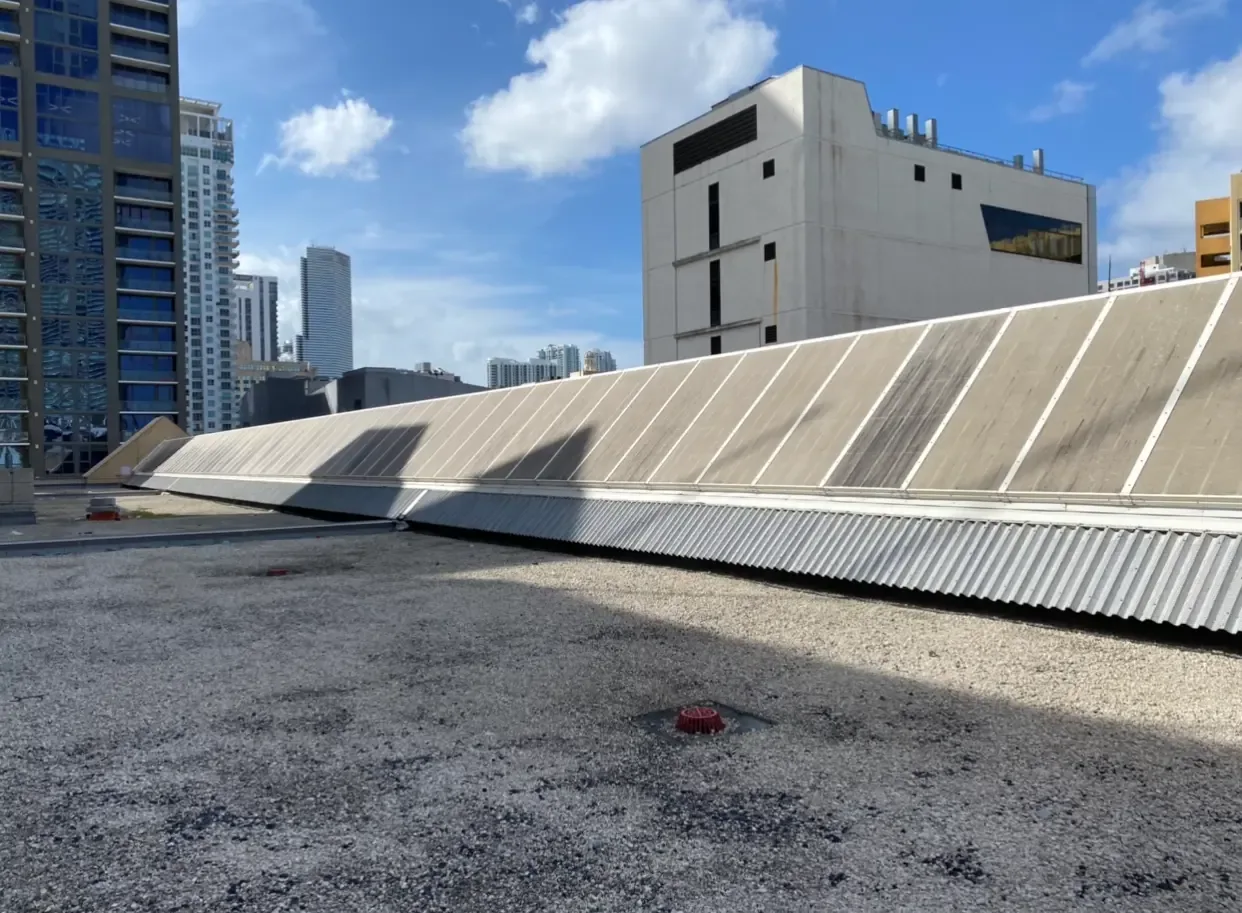
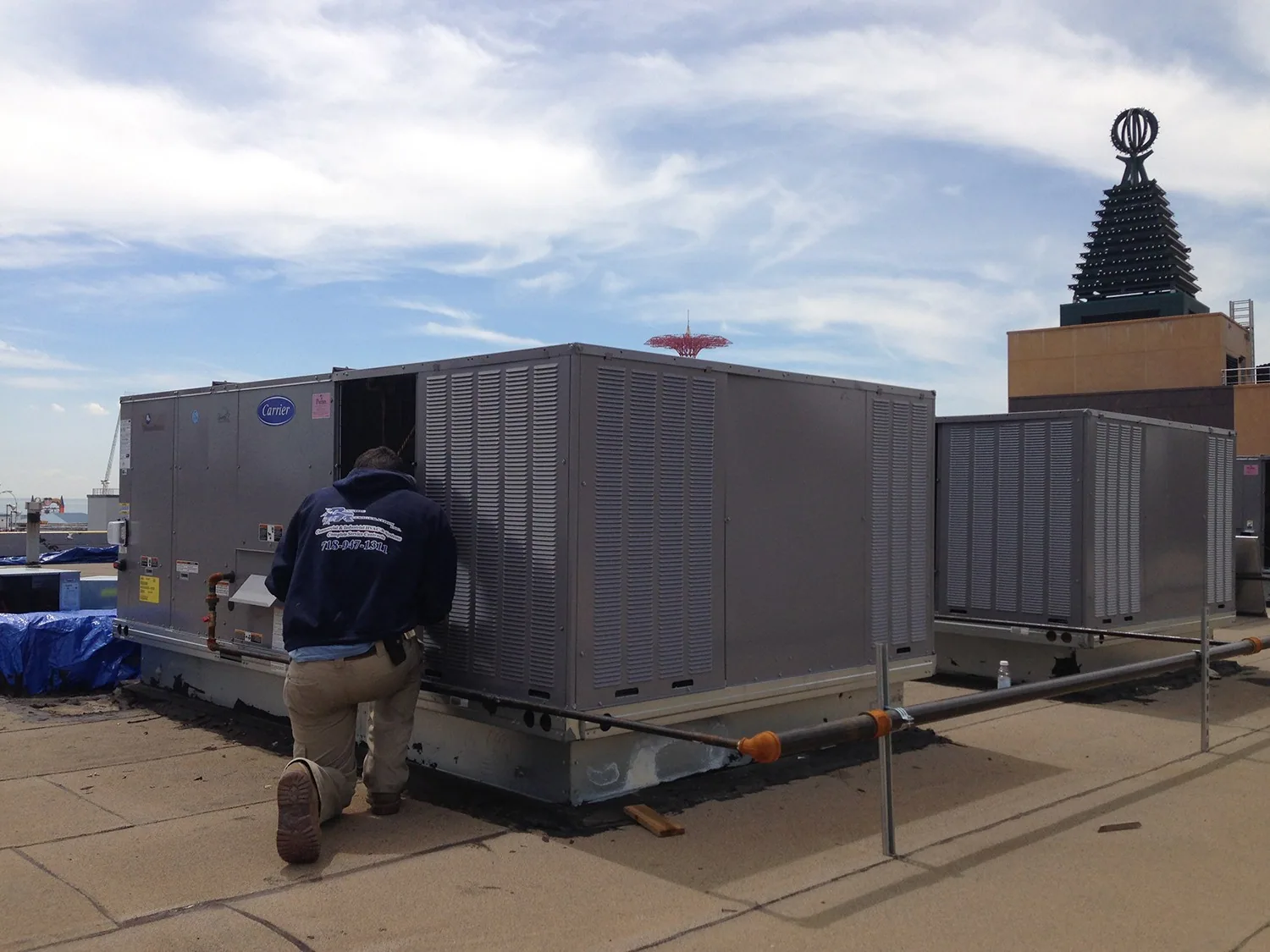
Naval Facility Roofing in Quincy, MA
Freezing water beside a naval support roof's flashing can enlarge an existing defect while the surrounding field still looks serviceable. In Quincy, MA, we investigate the affected detail and concealed layers before deciding how much construction should be replaced. The facility's current use belongs in the protection plan. It does not establish the roof material or the extent of damage. The owner needs a scope tied to the physical connection, with access and operating intervals that allow a permanent repair.
Navy Reserve Center Quincy supports reserve activity within the city. A roof request involving that property needs an individual assessment of the assembly and the rooms affected by the work. Quincy prepares for winter storms and nor'easters, making thaw drainage and secure closure practical priorities. We distinguish immediate intervention at an active opening from renewal supported by wider moisture or attachment findings.
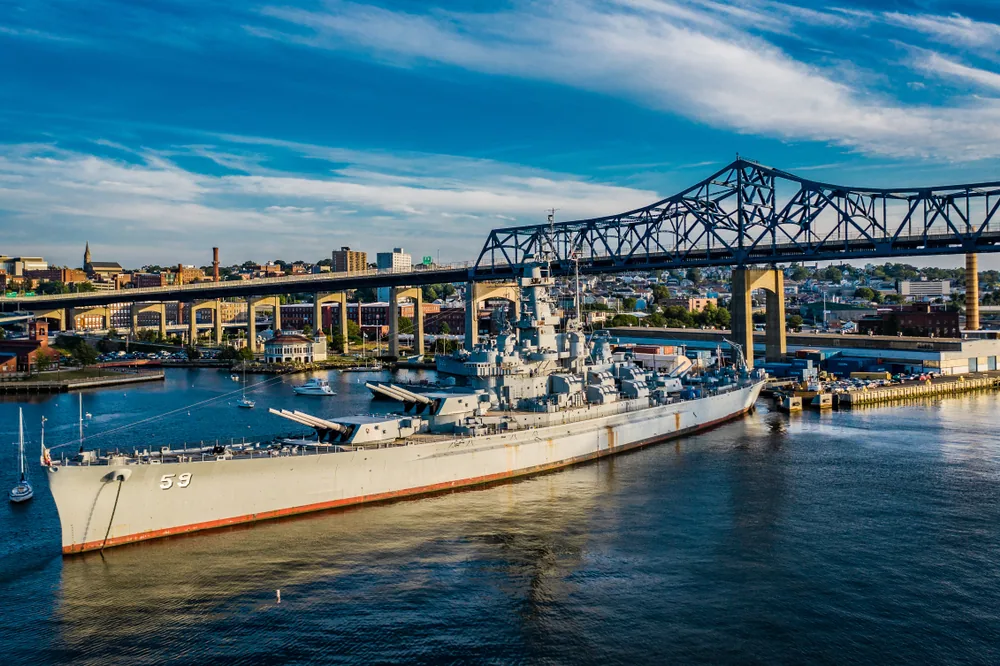
Assess the building in its present role
A naval facility can contain unlike occupied and support functions, depending on the specific property. We identify the actual room use and equipment dependency before opening construction. A repair above active space may need isolation or protection, while another area can provide a different operating interval. The scope should make that distinction clear. An installation label is not a complete description of the construction exposure created by roof removal.
Our hands-on roof investigations examine membrane joints, flashings, outlets and indications of concealed moisture. Where the findings warrant it, selective openings can establish the condition of supporting layers. The purpose is to define what needs repair and which material can remain useful. Temporary protection and permanent reconstruction should be separated in the recommendation so an immediate measure is not mistaken for completed renewal.
Keep former aviation property separate
The former South Weymouth Naval Air Station is closed, with its redevelopment area spanning Rockland, Weymouth and Abington. Roofing on current property in that broader area needs to follow today's building use and assembly. A former military association does not define the current operating activity. We assess the actual structure involved in the request, including the condition of retained construction and the access needed to complete work.
Rockland's Hingham Street and Reservoir Park Drive provide commercial connections near that wider redevelopment setting. Proposed road improvements remain proposals rather than completed site conditions. Work in Rockland therefore needs a practical examination of existing access. The separate Coast Guard buoy depot in South Weymouth has its own activity and property context. We assess Coast Guard roof work against the particular shore facility and its equipment. Depot and maintenance-building roofing involves different operating questions from a Navy Reserve facility.
Rebuild the receiving detail where it is weak
A patch cannot form a useful connection where the receiving flashing is loose, badly deteriorated or distorted by movement. We examine the termination and material beyond the visible opening before choosing repair limits. The work may need to include a wider connection area to reach serviceable construction. A repeated sealant application can leave the support or geometry unchanged. The recommendation should identify the mechanism that has prevented earlier surface treatment from holding.
Our repairs at roof penetrations consider the relevant layer arrangement and compatible materials. An unused opening needs proper closure and support beneath the new water boundary. Different penetration shapes require different detailing. The completed connection should remain inspectable rather than disappear beneath an unnecessary mound of repair material that obstructs drainage or hides its edges.
Coordinate the support task with roofing
A rooftop unit can require a separate operating interval where its support or curb must change. We examine the equipment needs with the property representatives before defining removal. Some field work may proceed without equipment interruption; reconstructing the interface can require another sequence. The roof boundary should be completed after the relevant support task, not finished first and immediately disturbed during equipment correction.
Our curb and equipment-support work examines clearance, stability and flashing height. Increased insulation can reduce the available dimension at a retained curb. Air intakes may also need a suitable arrangement during preparation or application. Installation access, including badging or escorts where applicable, can affect material deliveries and the time available for closure. Those intervals need to be considered before the daily work area is opened.
Compare outlets with concealed condition
A low area can prolong contact at a defect even where the primary outlet is clear. We assess slopes, drain connections and overflow provisions to distinguish geometry from obstruction. Damaged flashing requires repair alongside any correction to the flow route. During renewal, the completed insulation plane must meet the outlet appropriately. Raising the field without resolving that relationship can preserve the cause of repeated held water.
Our drainage connection corrections are assessed with the retained layers. Wet insulation or deteriorated support may require removal before the new detail can be installed. We investigate those findings rather than depend on a surface appearance. The comparison should identify the components kept in service and the reconstruction needed under each option, including any changes to perimeter or equipment clearances caused by the revised roof plane.
Secure the stage before normal use resumes
Detail-heavy roof areas can take longer to close than open field. We define daily removal limits with drains, walls and equipment transitions in view, alongside the room protection required below. A temporary division needs a suitable connection to the retained assembly. The plan should leave a secured construction stage before weather changes rather than rely on the next scheduled visit to complete an exposed interface.
We compare EPDM membrane assemblies and other suitable systems through support, attachment and the proposed details. Applicable federal project requirements, including relevant Unified Facilities Criteria, need coordination where they govern the requested work. Material preference should follow that assessment. A new covering does not stabilize compromised receiving construction or restore damaged insulation by itself.
The permanent scope should also leave practical maintenance access. Technician routes, sharp contacts and unstable supports can damage completed connections during later service. Suitable protection should preserve water flow and keep outlets reachable. Installed material information and compatible repair requirements help support later work without introducing unsuitable treatments. The final roof arrangement should remain useful above the facility's current activity, with cleaning tasks distinguished from damaged construction needing intervention.
Commercial Roofing Questions
Does the former South Weymouth air station describe current Navy roofing needs?
The former station is closed and its wider redevelopment property has a different present context. We assess the actual requested building and current use before defining roof work. Navy Reserve Center Quincy is a separate active reserve setting. The construction and operating plan should match the property involved, not transfer an earlier aviation role to today's roofing task.
What should we identify before opening a support-building roof?
Identify the rooms and equipment affected, the access procedure and the construction that can be secured within the available interval. We examine the roof details and retained layers before choosing the boundary. Protection or isolation may be needed where removal creates water or debris exposure. Those arrangements should be established before work begins rather than become a response to an unmanaged opening.
Can old repair build-up conceal the connection that needs work?
Several generations of patching can obscure edges, retain contamination or obstruct flow. We examine the receiving detail and determine what should be removed to reach sound material. A compatible permanent repair may need a wider boundary than the visible crack. The recommendation should restore an inspectable connection instead of simply adding another treatment over unresolved deterioration.
How should we compare repair with a membrane replacement?
Compare the defect distribution, concealed moisture and receiving support under each proposal. A bounded opening on serviceable construction can justify repair. Wider deterioration may require removal and renewed insulation or attachment. We identify the components retained and the operating protection needed so the owner can compare complete construction rather than only the selected surface material.